Top 10 Rosé Wines to Try This Summer
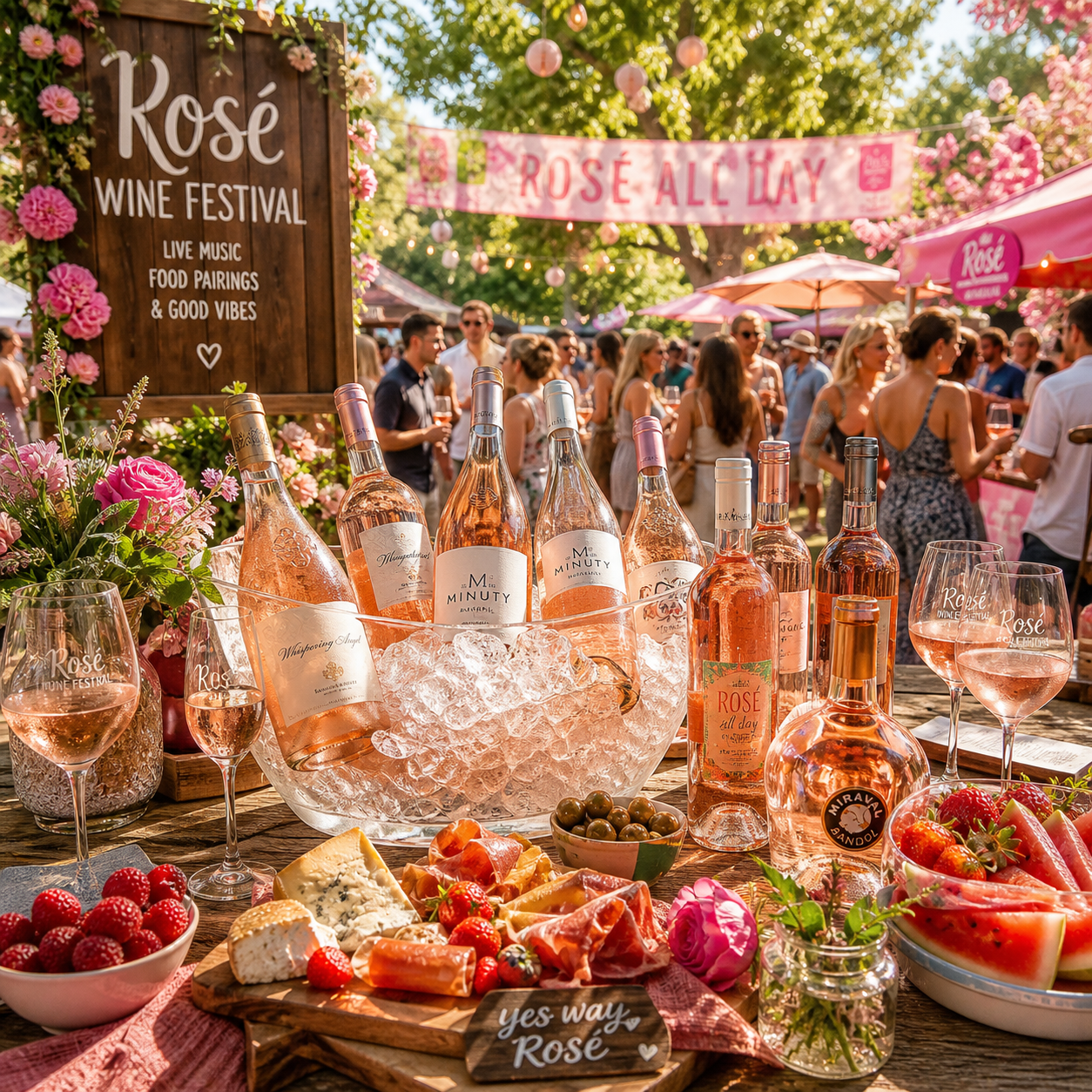
Rosé wine is made for warm-weather drinking. It can be pale and delicate, richly fruity, bone-dry, gently sweet, or lively with bubbles. That range makes rosé especially enjoyable at a rosé wine festival, where you can compare grape varieties, regions, color, and texture in a single afternoon.
This guide focuses on styles rather than unverified rankings or specific scores. The best bottle depends on your taste, menu, and occasion, so check the label, producer information, vintage, and local availability before buying.
What Makes a Rosé Ideal for Summer?
An ideal summer rosé is fresh, balanced, easy to chill, and versatile enough for outdoor food. Bright acidity keeps the wine refreshing, while moderate alcohol and a clean fruit profile make it comfortable to drink in warm weather.
Look for rosé wines with flavors such as strawberry, watermelon, raspberry, citrus, peach, or red currant. Floral notes can add lift, while a lightly savory finish can make a dry rosé more interesting with food. The word dry means the wine contains little residual sugar; it does not mean flavorless.
- Freshness: Crisp acidity gives the wine energy and helps it pair with salads, seafood, and grilled vegetables.
- Body: Light-bodied rosé suits aperitif hour, while fuller styles can stand beside grilled chicken, salmon, or charcuterie.
- Fruit profile: Red berries and citrus feel bright; peach and ripe melon create a softer impression.
- Versatility: A balanced wine works at a picnic, barbecue, festival tasting, or relaxed dinner.
- Serving temperature: Most still rosé tastes best well chilled, though very cold temperatures can mute delicate aromas.
Color can offer clues about winemaking style, but it does not reliably indicate sweetness. A very pale Provence rosé may be completely dry, while a darker rosé can also be dry or sweet.
Top 10 Rosé Wines to Try This Summer
The best summer rosé list includes dry, fruity, sparkling, regional, and food-friendly styles. These 10 choices are arranged as a tasting-friendly collection, with each one suited to a different preference or occasion.
1. Provence Rosé
Style: Dry, light-bodied, still rosé. Tasting notes: Think strawberry, pink grapefruit, peach, and subtle herbs, often followed by a crisp finish. Provence rosé is a reliable choice for a festival welcome pour because it feels refreshing without overwhelming the palate.
Serve it with goat cheese salad, grilled prawns, niçoise-style vegetables, or a simple picnic spread. Choose this style when you want a polished, restrained wine with plenty of freshness.
2. Tavel Rosé
Style: Dry, fuller-bodied French rosé. Tasting notes: Ripe red berries, watermelon, spice, and a broader texture make Tavel more substantial than many pale rosés. It is a strong option for guests who find light rosé too delicate.
Pair it with grilled sausages, roasted peppers, barbecue chicken, or tomato-based dishes. Its extra body also makes it useful when a summer meal moves from appetizers to the main course.
3. Cerasuolo d'Abruzzo
Style: Dry Italian rosé with a vivid cherry color. Tasting notes: Expect sour cherry, raspberry, citrus, and a savory edge. This is a lively, food-oriented wine that bridges the gap between pale rosé and lighter red wine.
Pour it with pizza, grilled tuna, mushroom pasta, or antipasti. It works particularly well at an outdoor dinner where the menu includes olive oil, herbs, and roasted vegetables.
4. Spanish Garnacha Rosado
Style: Usually dry, fruit-forward rosé. Tasting notes: Strawberry, raspberry, watermelon, and gentle spice are common, with enough acidity to keep the finish lively. Garnacha rosado often gives you generous fruit without requiring sweetness.
Try it with tapas, grilled prawns, patatas bravas, or a paprika-seasoned chicken skewer. It is an approachable festival selection for drinkers who want clear berry flavor.
5. Pinot Noir Rosé
Style: Light- to medium-bodied, dry rosé. Tasting notes: Red currant, wild strawberry, cranberry, and delicate floral notes create an elegant profile. Pinot Noir rosé can feel more subtle than fruit-forward Garnacha, so give it a few minutes in the glass.
Pair it with smoked salmon, soft cheeses, crab cakes, or a leafy salad. Choose this bottle for a quieter tasting or a meal where the wine should complement rather than dominate.
6. Provence-Style Grenache Rosé
Style: Dry, crisp rosé made from or inspired by Grenache-led blends. Tasting notes: Citrus, pale red berries, white peach, and fresh herbs create a clean summer profile.
This style is excellent for an afternoon gathering because it handles a wide range of foods. Serve it with hummus, grilled vegetables, couscous, or lemon-dressed chicken. It offers the familiar freshness associated with Provence rosé while allowing regional differences to show.
7. Dry Sparkling Rosé
Style: Sparkling rosé, often labeled brut or extra brut. Tasting notes: Red berries, citrus, toast, and lively bubbles make it festive and palate-cleansing.
Use sparkling rosé for a welcome drink, toast, or early festival pour. It pairs beautifully with oysters, fried seafood, salty snacks, and strawberries. The bubbles add celebration, but they also make sweetness and acidity feel more pronounced, so check the label if you prefer a very dry style.
8. Lambrusco Rosato
Style: Lightly sparkling Italian rosé, ranging from dry to gently sweet depending on the bottle. Tasting notes: Cherry, raspberry, violet, and refreshing fizz are typical.
Serve it with cured meats, grilled sausages, burgers, or salty festival snacks. Lambrusco rosato is a useful reminder that rosé does not have to be still. Ask about sweetness when purchasing, since the style varies considerably.
9. White Zinfandel
Style: Often semi-sweet, fruit-forward rosé. Tasting notes: Watermelon, strawberry, peach, and soft floral flavors make it easygoing and approachable.
Choose White Zinfandel for guests who enjoy noticeable sweetness or are new to wine. It works with spicy foods, fruit salads, barbecue sauces, and salty snacks. It may feel too sweet beside delicate seafood, so serve it with strongly flavored dishes instead.
10. Syrah Rosé
Style: Dry, medium-bodied rosé with savory character. Tasting notes: Raspberry, blackberry, pepper, herbs, and a firm finish give this style more intensity.
Syrah rosé suits grilled lamb, smoky vegetables, spicy sausages, and robust charcuterie. Bring it to a barbecue or late-afternoon festival session when a light, neutral rosé would disappear beside the food.
How to Choose the Right Rosé for Your Taste
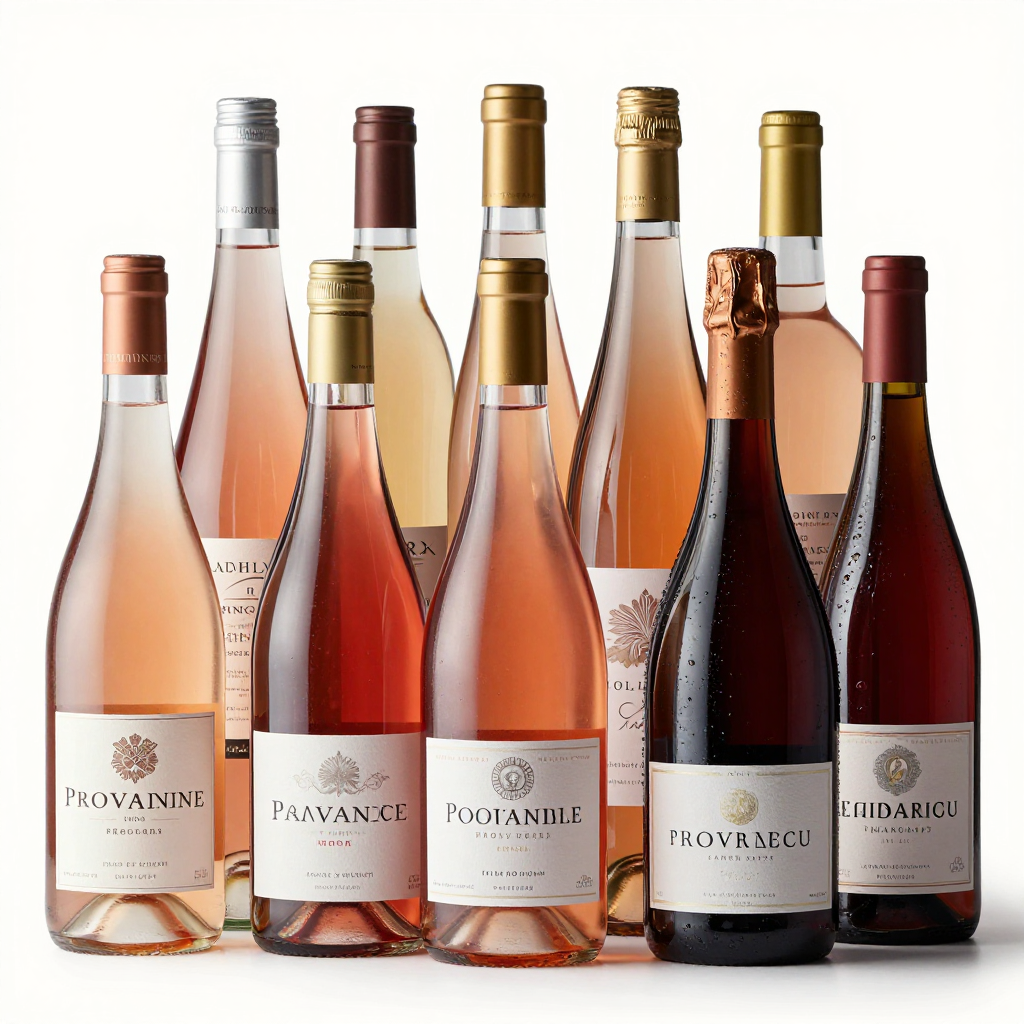
Choose rosé by sweetness, acidity, body, grape variety, and region rather than color alone. Start with the flavor experience you want, then use the label and producer notes to narrow the options.
- Prefer crisp and dry? Look for Provence rosé, Pinot Noir rosé, or dry sparkling rosé. Terms such as brut, dry, and crisp can help, although labeling rules vary by country.
- Want ripe fruit? Try Garnacha rosado or a fruit-forward rosé. These wines may taste fruity while remaining fully dry.
- Like a softer, sweeter style? Look for White Zinfandel or a clearly labeled semi-sweet rosé.
- Need a wine for grilled food? Choose Tavel, Syrah rosé, or Cerasuolo d'Abruzzo for more body and savory flavor.
- Want celebration? Select sparkling rosé, then confirm whether it is brut, extra dry, or sweet.
Grape varieties influence character: Grenache often brings red fruit and warmth, Pinot Noir brings delicate berry notes, Syrah adds spice, and Lambrusco contributes aromatic fruit with bubbles. Regional character matters too. A cool coastal area may produce a sharper, lighter wine, while a warmer region can deliver riper fruit and fuller texture.
Best Summer Food Pairings for Rosé
Rosé pairs best with fresh, salty, smoky, and lightly spicy summer foods. Its acidity handles dressings and seafood, while its fruit makes it flexible with grilled dishes and fruit-based sauces.
- Seafood: Match Provence rosé or Pinot Noir rosé with prawns, salmon, crab cakes, oysters, and grilled fish.
- Grilled vegetables: Serve dry Grenache rosé with peppers, courgettes, aubergine, corn, and herb-marinated vegetables.
- Salads: Crisp rosé works with goat cheese, tomato, cucumber, watermelon, and citrus-based dressings.
- Light pasta: Cerasuolo d'Abruzzo complements tomato, olive, pesto, and seafood pasta.
- Charcuterie: Sparkling rosé or Lambrusco rosato cuts through cured meats, while fuller rosé handles pâté and sausage.
- Spicy foods: A gently sweet White Zinfandel can soften chili heat; dry rosé works better with herbs and moderate spice.
When serving several dishes, place the most delicate rosé with lighter foods and save fuller or sweeter examples for stronger flavors. This simple progression prevents the food from making a subtle wine seem thin.
Serving Rosé at a Wine Festival or Outdoor Event
Serve most still rosé at approximately 8–12°C and sparkling rosé slightly colder, around 6–10°C. Keep bottles shaded and cold throughout the event so the wine stays refreshing rather than flat and heavy.
- Chill bottles in a refrigerator several hours ahead, then transfer them to an insulated cooler with ice packs.
- Use small white-wine glasses or festival tasting glasses so guests can swirl, smell, and compare wines.
- Pour modest tasting portions, around 50–75 ml, when sampling many bottles.
- Move from sparkling and lighter rosés to fuller, sweeter, or more intensely flavored styles.
- Keep opened bottles in the cooler and reseal sparkling wine with a suitable stopper.
A bucket filled with ice and water cools bottles more evenly than ice alone. Avoid leaving rosé in direct sun, even for a short time. For responsible tasting, alternate wine with water, eat regularly, and arrange safe transport before the festival begins.
Make the Most of a Rosé Tasting
A useful rosé tasting follows five stages: appearance, aroma, flavor, finish, and preference. You do not need specialist vocabulary; simple descriptions such as crisp, juicy, floral, tart, soft, or spicy are enough.
- Appearance: Notice whether the wine is pale salmon, bright pink, or deep cherry. Record the color, but do not assume it reveals sweetness.
- Aroma: Smell once before swirling, then again after a gentle swirl. Look for berry, citrus, peach, flowers, herbs, or spice.
- Flavor: Ask whether the wine feels dry or sweet, sharp or soft, light or full-bodied.
- Finish: Notice how long the flavor remains and whether the ending is clean, fruity, savory, or bitter.
- Preference: Write down the occasion and food you would choose for the wine. Personal usefulness matters more than technical perfection.
Try the same grape variety from two regions when possible. That side-by-side comparison reveals how climate, soil, harvest timing, and winemaking shape rosé more clearly than tasting one bottle in isolation.
Rosé Wine FAQ
Should rosé wine be served chilled?
Yes. Most rosé tastes best chilled, generally between 8–12°C. Sparkling rosé benefits from a slightly colder serving temperature. If the wine seems muted, let it warm for a few minutes in the glass.
Is rosé always sweet?
No. Many rosé wines, including Provence rosé, Pinot Noir rosé, and numerous Grenache styles, are dry. Fruit flavors do not necessarily mean residual sugar, so check the label or ask the producer.
What foods pair best with rosé?
Seafood, grilled vegetables, salads, light pasta, charcuterie, and moderately spicy foods are dependable choices. Match fuller rosés with grilled meats and sweeter rosés with hotter or fruit-based dishes.
How long does an opened bottle of rosé last?
An opened still rosé is usually best within two to three days when refrigerated and tightly sealed. Sparkling rosé is most enjoyable within one to two days with a proper sparkling-wine stopper.
What should beginners look for at a rosé wine festival?
Start with a dry, crisp rosé, taste a sparkling example, and then compare a fuller or gently sweet style. Ask about grape variety, sweetness, serving temperature, and food pairing. Taking small pours and drinking water makes the experience more comfortable and enjoyable.