The History and Evolution of Rosé Wine Making
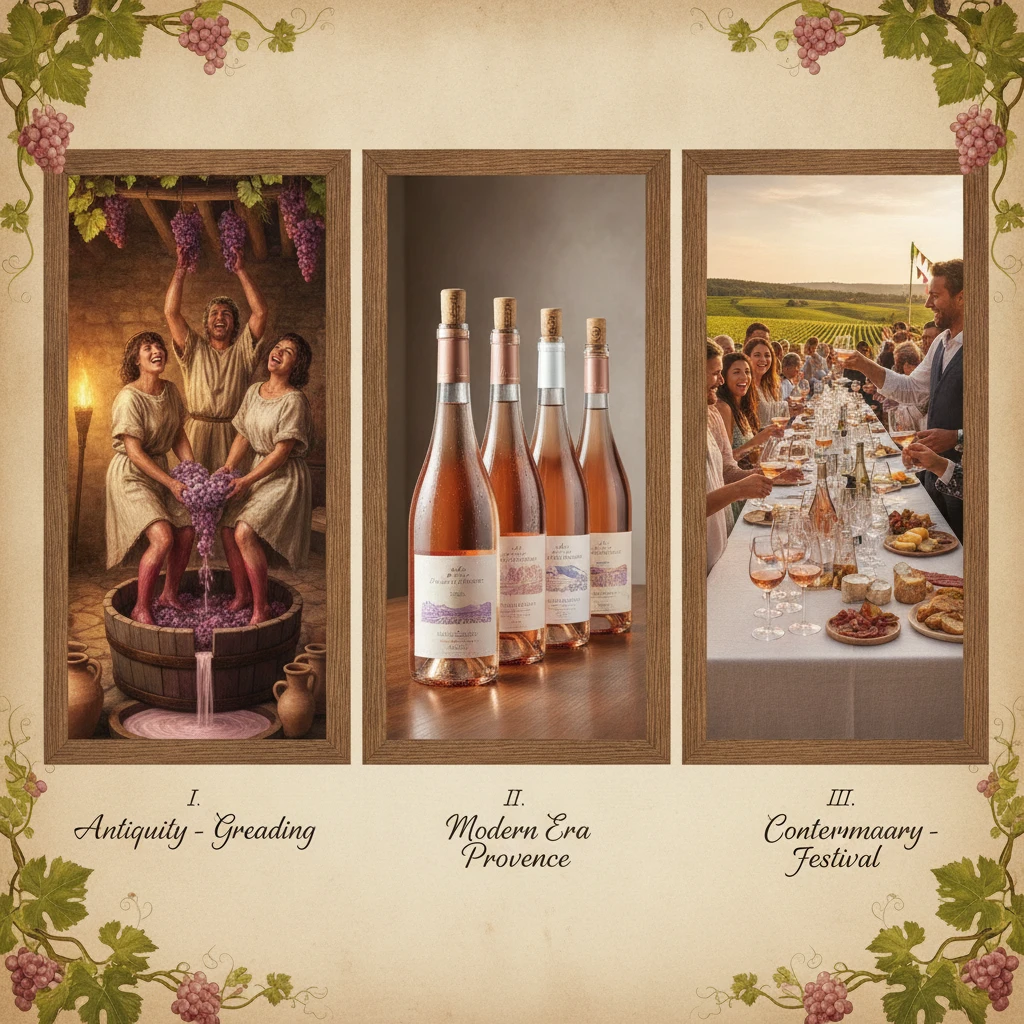
Rosé wine has a long history, but it was not always made or understood as a distinct category. For centuries, pink wines often emerged from the grapes, pressing habits, and cellar practices available in a region. Today, winemakers deliberately shape rosé’s color, aroma, and texture, creating styles that range from pale and crisp to deeply colored and savory.
That evolution comes into focus at a rosé wine festival, where a single tasting might include wines made by different methods from different grape varieties. Knowing the history behind those choices makes it easier to understand why two rosés can look and taste so different.
Rosé’s Early Roots
Early pink wines developed before rosé was a clearly defined modern style. Their color often came from how red grapes were handled, rather than from a winemaker following one standardized rosé recipe.
In ancient wine-growing societies around the Mediterranean, grapes were crushed and fermented with less precise control than is common in commercial cellars today. Red grape skins contain the pigments that color wine, so brief contact during crushing and fermentation could produce a lighter-hued drink. Pressing grapes soon after crushing, or separating some juice early, also limited color extraction.
Historical accounts offer clues about ancient wine, but they do not always map neatly onto today’s categories. The terms used for wines in different periods and languages varied, and surviving descriptions rarely specify production details. It is safest to think of early pink wines as a broad family of outcomes, not as direct equivalents of a modern Provence rosé.
This history also challenges a common assumption: rosé was not simply invented as a recent summer drink. Pink wine has deep roots, while the deliberate production of distinct, recognizable rosé styles developed over time.
From Ancient Methods to Regional Traditions
Rosé took different forms as wine-making spread and regional traditions developed. Local grape varieties, climate, equipment, and preferred wine styles all influenced how much color and structure producers sought.
Across Europe, producers worked with the grapes available to them and the cellar practices familiar to their communities. In some places, light-colored wines made from red grapes were an established preference. In others, rosé developed alongside red wine production, with juice drawn off early or grapes pressed gently. These choices shaped not just the shade of the wine but also its acidity, body, tannin, and aroma.
Provence became especially associated with dry, pale rosé, but it is one influential regional tradition rather than a template for every bottle. Other regions make rosé with different grape varieties and aims: some emphasize fresh citrus and red-fruit notes, while others produce more structured wines suited to food and aging. The same grape can also give different results depending on ripeness, skin contact, fermentation temperature, and the decisions made in the cellar.
Regional variation is part of rosé’s appeal. A wine’s color alone cannot tell the whole story; the grape, growing conditions, and production method matter just as much.
How Rosé Gets Its Color
Rosé gets its color mainly from the time red grape juice spends in contact with grape skins. Winemakers control that contact, or use another production approach, to create a particular shade and style.
Four methods help explain how rosé is made. Each offers different control over color and flavor, and local regulations may limit which methods producers can use for particular wines or appellations.
- Skin contact: Red grapes are crushed or destemmed, and the juice remains with the skins for a limited period. Pigment and some flavor compounds move into the juice; the producer then separates it and ferments it. Longer contact generally extracts more color and can add more texture, though grape variety and cellar conditions also matter.
- Direct pressing: Red grapes are pressed soon after harvest, allowing only brief skin contact. The juice is often pale and delicate, with the exact result depending on pressure, fruit, and timing. Gentle pressing can limit extraction, but it does not guarantee one particular flavor.
- Saignée: During red-wine production, a winemaker bleeds off a portion of juice from a vat of crushed red grapes. That juice can be fermented separately as rosé, while the remaining red wine has a higher ratio of skins to juice. Saignée rosé may be more concentrated, but styles vary widely.
- Blending: Some producers combine red and white wine to make a pink wine. This is not the default method for all rosé, and rules differ by region and wine category. In some protected European appellations, blending is restricted; sparkling wine regulations may allow it in circumstances where still-wine rules do not.
Color is a useful first clue, not a reliable quality scale. A pale wine may be aromatic and substantial, while a darker one may be dry and refreshing. Taste, structure, and balance depend on more than pigment.
The Rise of Modern Rosé Styles
Modern rosé includes a broad range of colors and flavors because producers can make deliberate choices at every stage, from grape selection to fermentation. The familiar pale, dry style is only one part of the category.
Today, winemakers select grape varieties and harvest dates to match the style they want. Earlier picking can help retain acidity, while riper grapes may bring fuller fruit character. Skin contact determines much of the color and contributes flavor and texture, while fermentation conditions influence how fresh fruit aromas are expressed. Producers may ferment rosé in stainless steel for a clean, direct profile or use other vessels to add texture and complexity.
The finished wine can show notes of strawberry, raspberry, watermelon, citrus, herbs, or spice. These are possibilities, not a checklist: grape variety, vintage, region, and production decisions all shape what appears in the glass. Rosé may be still or sparkling, bone-dry or sweet, light-bodied or relatively structured.
Modern methods give winemakers more control, but precision has a trade-off. A tightly managed style can be consistent from year to year, while a wine made with fewer interventions may show more vintage variation. Neither approach is automatically better; the point is to understand the producer’s intention.
Changing Perceptions and Popularity
Rosé’s reputation has shifted over time, moving among everyday, seasonal, and premium associations. Those labels reflect marketing and drinking habits as much as the wine itself.
In many markets, rosé was long treated as an uncomplicated, affordable wine, and some mass-produced examples were sweet. That history still shapes expectations, even though dry rosé has a long tradition and today’s category includes many levels of quality and complexity. Provence’s international profile helped make pale, dry rosé especially visible, but it did not erase other regional styles.
Rosé is often linked with warm weather because it is commonly served chilled and pairs easily with outdoor meals. Yet season is not a production method, and a substantial rosé can work well with food in cooler months. The growing visibility of premium bottlings has also encouraged more attention to vineyard origin, grape choice, fermentation, and aging.
When tasting, set aside assumptions based on color or price. Check the label for region, grapes, alcohol level, and vintage, then focus on whether the wine’s acidity, fruit, and texture suit your preferences.
From the Cellar to the Festival
A rosé wine festival turns production history into a practical tasting lesson. Sampling wines side by side can reveal how grape variety, skin contact, pressing, and regional tradition affect the wine in your glass.
Try comparing two wines that differ in one visible way, such as shade, then ask what else changes: aroma, acidity, body, or the finish. A pale direct-pressed wine may feel delicate, while a rosé made with longer skin contact may show more color and texture. A saignée wine can offer a different relationship to red-wine structure. These are useful questions, not rules; the method alone cannot predict every tasting note.
Food provides another way to notice those differences. Fresh, high-acid rosé can work with salads, seafood, and lighter dishes, while more structured styles may suit grilled vegetables, charcuterie, or spiced foods. At a festival, small pours and water between tastings help keep comparisons clear. Take notes on grape, region, method if listed, and the flavors you actually find.
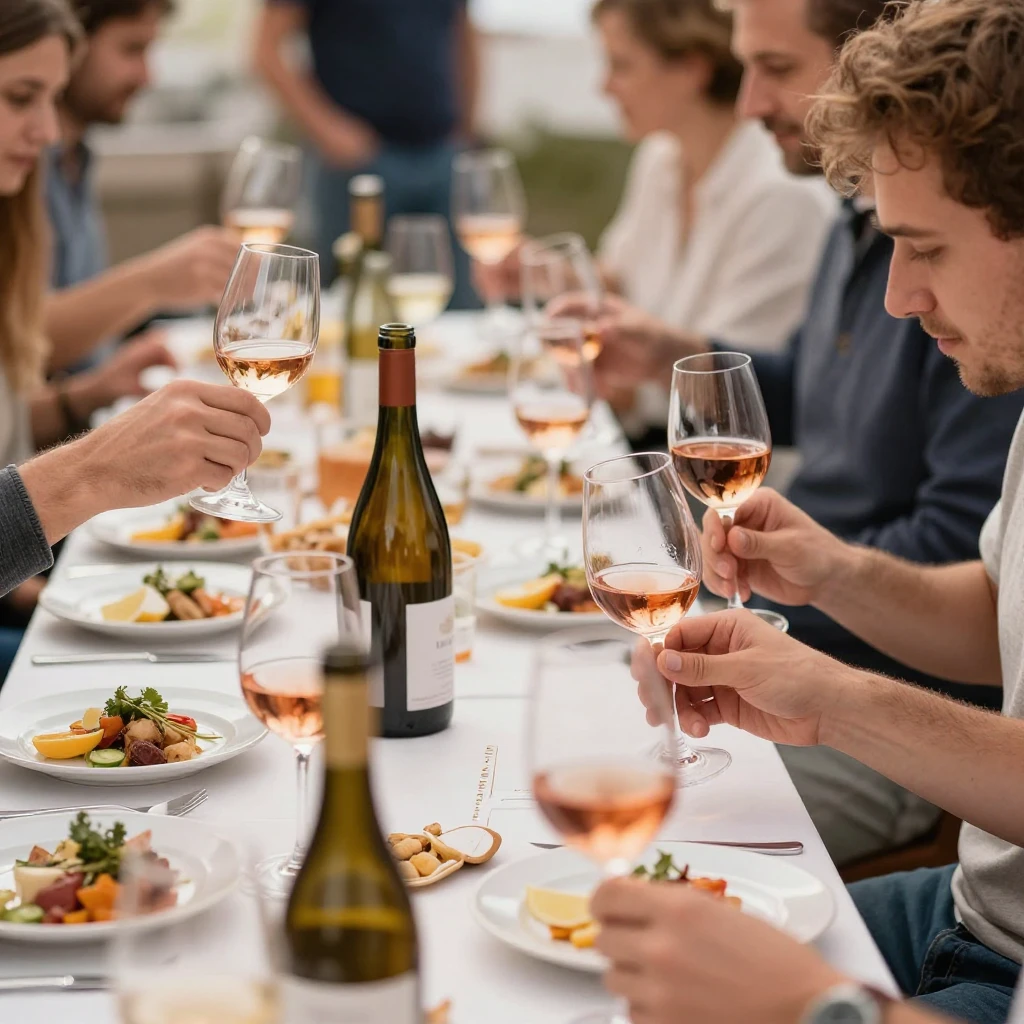
The most useful takeaway is simple: a glass of rosé reflects a chain of choices, from vineyard to cellar. Understanding that chain makes festival tasting more rewarding and leaves room for styles beyond the familiar pale bottle.
Rosé Wine-Making FAQs
How is rosé wine made?
Most rosé is made from red grapes, with color controlled through limited skin contact or early pressing. Other approaches include saignée and, where permitted, blending red and white wine.
Is rosé made by mixing red and white wine?
Sometimes, but blending is not the usual method for all rosé. Many still rosés get their color directly from red grape skins, and regulations vary by wine region and category.
What determines a rosé’s color?
Color is shaped mainly by grape variety, skin-contact time, pressing, and winemaking conditions. A deeper shade does not automatically mean a sweeter or better wine.
Do all rosé wines taste sweet?
No. Rosé ranges from dry to sweet. Check the label or ask the producer or festival pourer if you want to know the wine’s sweetness level.