Spotlight on Provence: The World's Most Famous Rosé Region
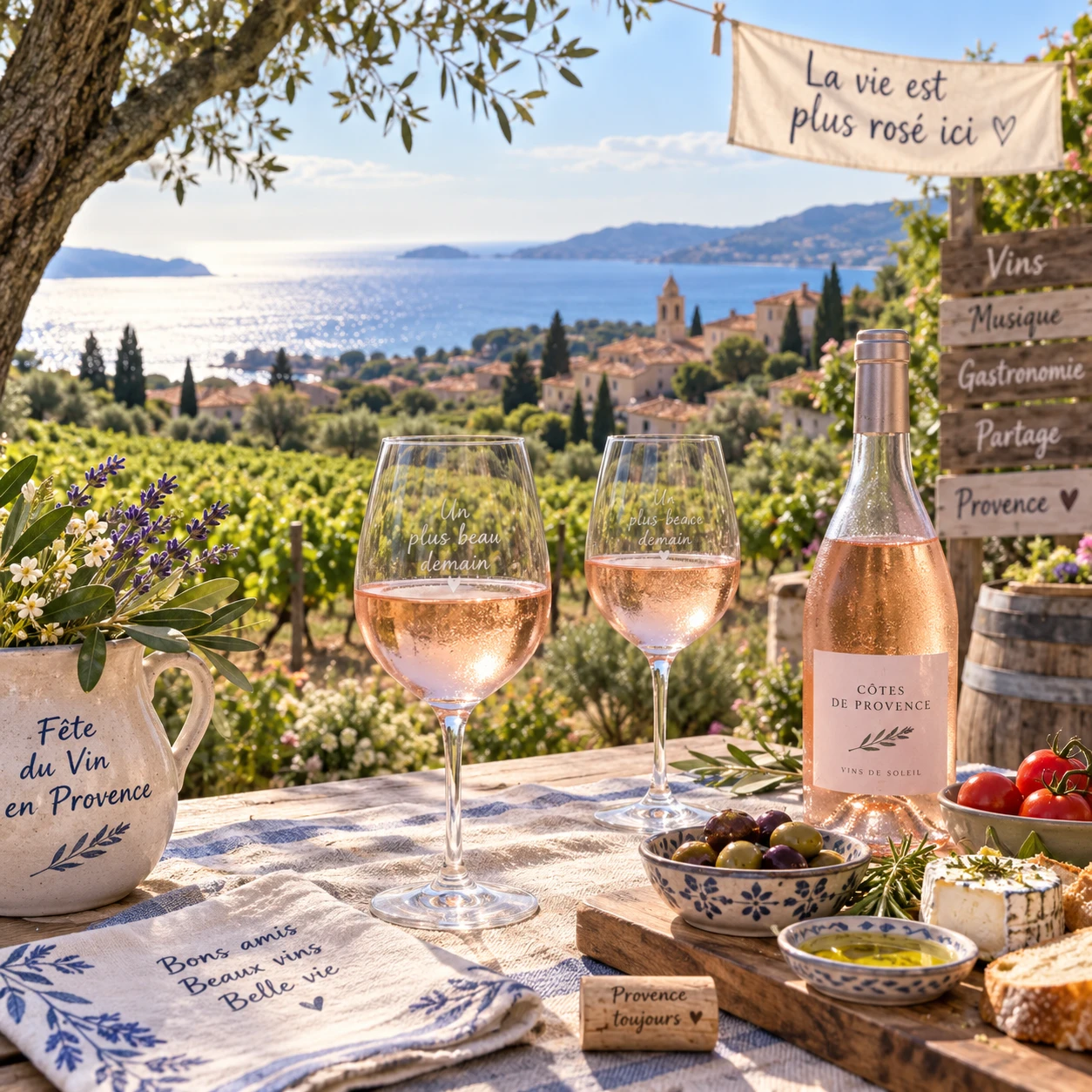
Provence has become closely associated with rosé: pale, dry wines made for long lunches, outdoor tables and warm-weather gatherings. Yet its reputation rests on more than a signature color. The region’s Mediterranean climate, varied landscapes, local grape varieties and established wine culture all help shape Provence rosé.
For anyone exploring rosé for the first time, Provence offers a useful starting point. Its wines range from crisp and delicate to more structured, and they pair naturally with the fresh, savory foods of southern France. That variety makes the region as interesting to learn about as it is to share.
Why Provence Is Synonymous with Rosé
Provence is synonymous with rosé because the style is central to its wine culture, and local producers have developed a recognizable tradition of dry, food-friendly wines. The region is famous for pale rosé, but color alone does not explain its appeal.
Rosé has deep roots in Provence, where winegrowing has been part of local life for centuries. Today, rosé is the region’s most visible wine style, served at casual meals and celebrated at seasonal events. Many bottles are dry, with lively acidity and restrained fruit, making them easy to enjoy on their own or alongside food.
Pale does not mean simple. A light pink hue can come from brief contact between grape skins and juice, but it cannot tell you everything about aroma, body or quality. Provence rosé may suggest citrus, red berries, peach, herbs or subtle savory notes, depending on its grapes, vineyard site and winemaking choices.
Provence is not the only place making rosé. But its strong association with the style gives the region a distinctive identity, and its appellations show how much variety can exist within that reputation.
A Landscape Shaped by the Mediterranean
Provence’s Mediterranean climate supports ripe grapes and helps create rosés with fresh, balanced character. Its vineyards also span varied terrain, so elevation, soil and local exposure can influence a wine’s texture and aromas.
Long, sunny growing seasons encourage grapes to ripen, while the Mediterranean’s influence can help moderate temperatures in coastal areas. The region also experiences the Mistral, a strong, dry wind that can clear vineyard air after rain. These conditions can support healthy fruit, though heat and dry weather still make careful vineyard management important.
Provence is not one uniform landscape. Vineyards stretch from coastal areas toward inland hills, with limestone, clay, schist and other soils appearing across the region. Cooler or higher sites may preserve more freshness, while warmer locations can produce riper fruit. These are broad tendencies rather than guarantees; the grape blend and producer’s decisions matter too.
That combination of sun, wind and varied ground helps explain why two Provence rosés can taste different while sharing a regional identity. One may feel light and citrus-driven; another may show fuller fruit or a more savory edge. Place matters, but it works alongside grape variety and winemaking.
Key Appellations and Their Styles
Côtes de Provence, Bandol and Coteaux d’Aix-en-Provence are three important Provence appellations, each with its own geography and range of wine styles. Their names can help you explore the region, though producers and vintages still shape what ends up in the glass.
Côtes de Provence
Côtes de Provence is a broad appellation covering a large area in the eastern and central parts of the region. It produces a wide range of rosés, often dry and fresh, with fruit and herbal notes. Because the appellation includes varied sites, avoid assuming every bottle will taste the same.
Bandol
Bandol, near the Mediterranean coast, is especially associated with Mourvèdre, a grape that can contribute structure and savory depth. Bandol rosés may feel more substantial than the lightest Provence examples and can work well at the table. The appellation is also known for red wines, so its identity extends beyond rosé.
Coteaux d’Aix-en-Provence
Coteaux d’Aix-en-Provence lies in the western part of Provence, around Aix-en-Provence and its surrounding countryside. Its rosés commonly draw on regional blends and may show fresh red-fruit, citrus or herbal character. As elsewhere, style varies by vineyard and producer.
When choosing among appellations, think about the occasion. A crisp Côtes de Provence rosé may suit an aperitif, while a richer Bandol can stand up to grilled fish or Provençal vegetables. These are starting points, not strict rules.
Grapes and the Making of Provence Rosé
Provence rosé is usually made from a blend of grapes, with Grenache and Cinsault among the varieties commonly used. Winemakers balance grape character, harvest timing and skin contact to shape a wine’s color, aroma, acidity and texture.
Grenache can bring ripe red-fruit flavors and body, while Cinsault often contributes freshness and delicate aromas. Depending on the appellation and blend, producers may also use varieties such as Syrah, Mourvèdre, Carignan or local grapes. The proportions vary, so a grape name is a clue rather than a complete tasting note.
In a common rosé method, grapes are pressed and the juice spends limited time with the skins, which contain much of the pigment. Shorter contact generally gives a paler wine; longer contact can add deeper color and more flavor or structure. Some rosés are also made using the saignée method, in which juice is drawn off from a red-wine fermentation. These approaches can produce different results, and neither method alone guarantees quality.
Harvest timing matters as well. Picking earlier can help retain acidity, while riper grapes may offer fuller fruit. Fermentation temperature and vessel choices also affect the finished wine. The practical takeaway: look beyond the shade of pink. A producer’s style, the vintage and the wine’s intended use tell you more about what to expect.
How to Enjoy Provence Rosé
Enjoy Provence rosé lightly chilled, served in a glass that lets its aromas show, and paired with food that suits its weight. A refrigerator chill is helpful, but serving the wine ice-cold can mute its flavor.
As a simple guide, chill the bottle for a few hours and pour it cool rather than icy. If the wine feels closed or overly sharp straight from the fridge, give it a few minutes in the glass. Open a second bottle only when needed; rosé is often at its most expressive while fresh, and most everyday examples are intended for relatively early drinking.
Provence rosé pairs naturally with the region’s Mediterranean cooking. Try it with:
- Grilled fish, prawns or shellfish with lemon and herbs.
- Tomato, olive and cucumber salads, or a classic salade niçoise.
- Ratatouille, grilled zucchini, peppers and other Provençal vegetables.
- Soft cheeses, charcuterie and picnic dishes that are not too rich.
For a pairing that feels effortless, match the wine’s body to the food. A light, crisp rosé suits delicate seafood and salads; a fuller wine can handle grilled vegetables or more robust dishes. Strong chili heat and very sweet sauces may overwhelm a dry, delicate rosé, so choose a fruitier or more structured bottle if those flavors are on the menu.
Celebrate Rosé in Festival Style
A rosé wine festival brings the social side of Provence’s wine culture into focus: people taste different styles, share food and enjoy wine in a seasonal setting. You do not need to be an expert to take part; a little attention to pace and tasting order makes the experience more rewarding.
Start with lighter, drier wines, then move toward fuller or more structured examples. Take small pours, drink water between tastings and jot down a few simple impressions: fruit or herb notes, acidity, body and the food you would pair with it. Asking a producer what grapes are in the blend or how the wine was made can turn a quick tasting into a practical lesson.
Food and wine festivals are also a reminder that rosé is meant to be enjoyed in company. Shared plates, outdoor tables and a mix of styles make it easier to see why Provence rosé appeals to both new drinkers and longtime wine fans. The setting can be festive without making the wine itself feel intimidating.
Whether you discover Provence rosé at a festival or over dinner at home, focus on what is in the glass rather than on color or reputation alone. Compare a bright Côtes de Provence with a more structured Bandol, try them with different foods, and notice which style you would choose again. That is a simple way to turn Provence’s most famous wine into a personal favorite.