Pairing Rosé Wine with Food: A Comprehensive Guide
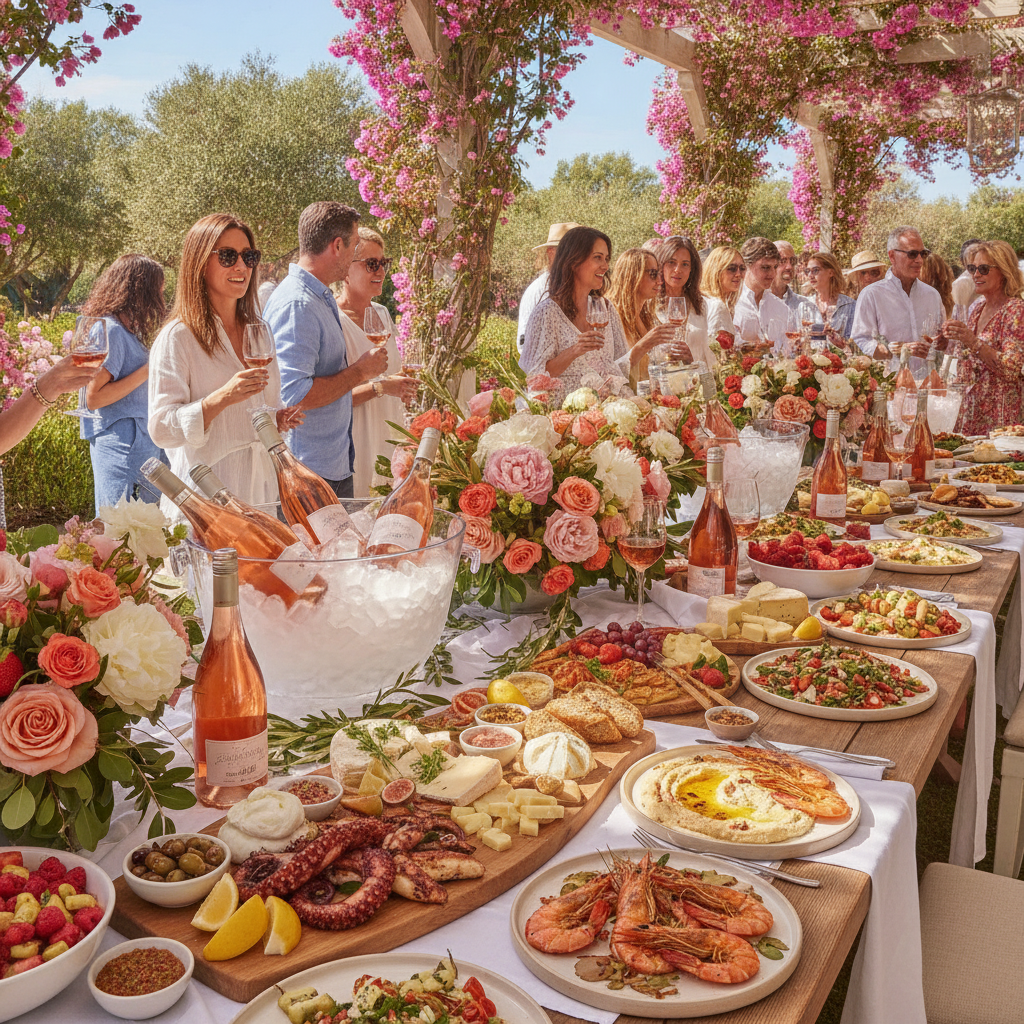
Pairing rosé wine with food is wonderfully flexible because rosé combines refreshing acidity with red-fruit character and a range of body styles. A crisp dry rosé can brighten grilled fish or salads, while an off-dry or sparkling rosé may be better with spicy food, salty snacks, or fruit-based desserts.
The key is to match the wine’s sweetness, acidity, texture, and weight with the dish rather than relying on color alone. Think of this guide as a practical roadmap for relaxed dinners, picnics, outdoor gatherings, and a rosé wine festival tasting table.
Why Rosé Is So Food-Friendly
Rosé is food-friendly because its acidity refreshes the palate, its fruit character complements many ingredients, and its moderate body bridges the gap between white and red wine. This makes rosé suitable for everything from seafood and salads to grilled meats and mildly spicy dishes.
Rosé wine acidity is particularly useful at the table. It cuts through fried textures, creamy sauces, and rich charcuterie in much the same way a squeeze of lemon adds lift to food. At the same time, the wine’s strawberry, raspberry, cherry, citrus, or watermelon notes can echo ingredients in a dish without overpowering them.
Rosé also changes considerably according to grape variety, region, production method, and time on the lees. A pale, delicate rosé may feel light and mineral, while a darker, fuller-bodied example can stand up to grilled pork or roasted vegetables. That range explains why rosé works across several courses.
A useful rule is to pair by intensity. Delicate seafood needs a lighter rosé, whereas smoky grilled food welcomes more body and fruit concentration. Preparation matters just as much as the main ingredient: poached fish and blackened fish may need completely different wines.
Understanding Rosé Styles Before Pairing
Before pairing rosé, identify whether the bottle is dry, off-dry, full-bodied, or sparkling. Dry rosé favors savory foods, off-dry rosé handles heat and sweetness, and sparkling rosé adds acidity and texture to snacks, fried dishes, and celebrations.
Dry rosé
Dry rosé contains little residual sugar and often shows crisp acidity, red berries, citrus, herbs, or mineral notes. It is a strong all-purpose choice for salads, grilled fish, shellfish, chicken, goat cheese, and Mediterranean cuisine. Provence-style rosé is a familiar example of this light, dry approach, although dry rosé is produced in many regions and styles.
Off-dry rosé
Off-dry rosé retains noticeable sweetness, which can soften chili heat and balance salty or strongly seasoned food. Try it with Thai-inspired noodles, barbecue sauces, spicy tacos, glazed pork, or fruit-forward salads. The wine should taste at least as sweet as the dish; otherwise, the food can make it seem thin and sour.
Full-bodied rosé
Full-bodied rosé has greater weight and often deeper berry flavors. It suits grilled chicken, roasted vegetables, pork, burgers with fresh toppings, and richer cheese. Choosing more body for smoky or charred food means accepting less delicacy, so avoid serving it with very subtle shellfish.
Sparkling rosé
Sparkling rosé combines acidity with bubbles, making it excellent with fried appetizers, salty snacks, soft cheeses, berries, and celebratory canapés. Carbonation refreshes the mouth, but it can emphasize very hot chili, so choose a slightly sweeter sparkling rosé when the dish is heavily spiced.
Serve most rosé chilled, generally around 7–13°C (45–55°F), depending on its body. Very cold temperatures sharpen acidity but mute aroma; a fuller rosé often tastes more expressive when served slightly warmer than a delicate, sparkling style.
Best Rosé Pairings for Starters, Cheese, and Charcuterie
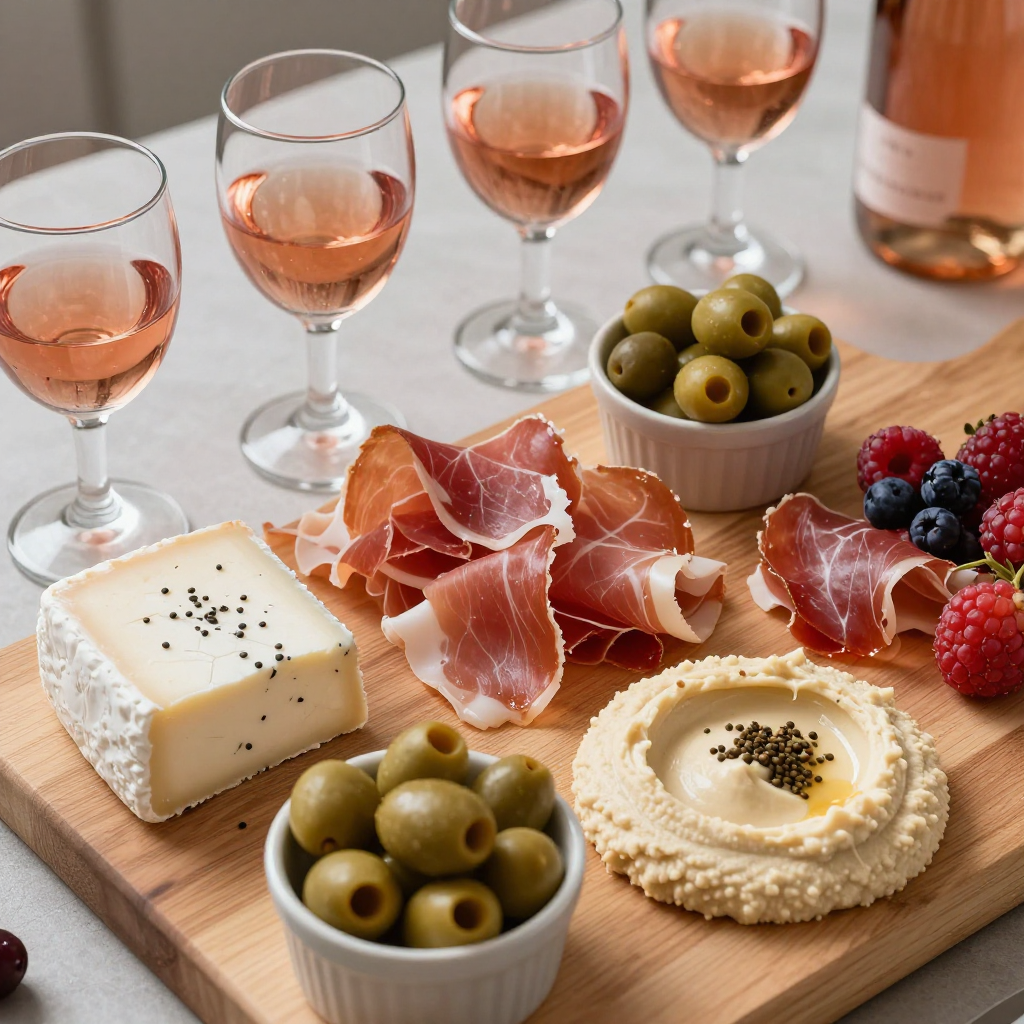
Rosé pairs best with starters, cheese, and charcuterie when the wine’s acidity balances salt, fat, and fresh textures. Dry rosé suits salads and dips, while sparkling or off-dry rosé gives salty, creamy, and spicy appetizers extra contrast.
For a simple opening course, serve dry rosé with a tomato and cucumber salad, niçoise-style vegetables, grilled peppers, or a green salad with citrus dressing. The wine’s acidity reinforces vinaigrette, while its fruit character softens bitter greens and fresh herbs.
- Soft cheese: Goat cheese, feta, burrata, and fresh mozzarella work well with crisp dry rosé.
- Aged cheese: Choose fuller rosé for moderately aged cheddar, manchego, or semi-firm sheep’s cheese.
- Charcuterie: Prosciutto, salami, pâté, and smoked ham benefit from rosé’s freshness, especially when served with pickles or mustard.
- Dips: Hummus, baba ganoush, whipped feta, and roasted pepper dip pair naturally with Mediterranean-style dry rosé.
- Fried starters: Sparkling rosé cuts through arancini, fried calamari, croquettes, and tempura.
Build a balanced board rather than a collection of only salty foods. Add grapes, melon, olives, toasted nuts, cucumber, and crusty bread. These ingredients create pauses between intense bites and make it easier to notice how the rosé changes with texture and seasoning.
Pairing Rosé with Seafood, Poultry, and Meat
Rosé pairs with seafood, poultry, and meat according to preparation, sauce, and seasoning. Crisp styles suit delicate seafood, while fuller or fruitier rosés handle grilling, roasting, smoky flavors, and lightly sweet sauces.
Seafood and shellfish
Seafood and shellfish are natural partners for dry rosé because acidity complements briny flavors without adding heaviness. Try crisp rosé with prawns, crab cakes, oysters served with fruit-based accompaniments, grilled prawns, mussels, and calamari.
For delicate white fish, choose a light-bodied rosé and a simple preparation such as steaming, poaching, or grilling with lemon and herbs. Richer preparations, including salmon with a berry glaze or tuna with sesame dressing, can take a fuller rosé. Garlic butter and cream sauces may call for a rounder style with enough acidity to prevent the pairing from feeling heavy.
Poultry and lighter meats
Dry or medium-bodied rosé works with roast chicken, turkey burgers, chicken skewers, and pork tenderloin. Herb-crusted poultry echoes the savory character of a rosé with herbal notes, while grilled chicken can support a darker, more structured bottle.
Pork is especially adaptable. A dry rosé suits pork with mustard, fennel, or herbs; an off-dry rosé works with honey-glazed pork or fruit chutney. For lamb, choose a fuller rosé with enough fruit and body to meet the meat’s stronger flavor.
When a dish includes tomato sauce, smoky paprika, or barbecue glaze, favor a rosé with more body and ripe fruit. The sauce often determines the pairing more than the protein itself.
Rosé with Vegetarian, Spicy, and Global Cuisine
Rosé works with vegetarian, spicy, and global cuisine when sweetness and acidity are matched to the dish’s heat, herbs, and sauces. Dry rosé favors grilled vegetables and Mediterranean cuisine, while off-dry rosé is often safer with chili, curry, and sweet-savory flavors.
For Mediterranean cuisine, serve dry rosé with Greek salad, grilled zucchini, eggplant, stuffed peppers, couscous, falafel, roasted tomatoes, and vegetable skewers. Olive oil, lemon, oregano, basil, and mint all harmonize with rosé’s bright profile.
Vegetarian dishes with mushrooms, lentils, or roasted root vegetables need a more substantial rosé. A fuller style provides enough body for earthy ingredients, especially when the dish includes smoked paprika or grilled halloumi.
Rosé can also be excellent with spicy food, but the choice matters. Alcohol can make chili feel hotter, so select a lower-alcohol, off-dry rosé when serving Thai curry, Sichuan noodles, spicy fried chicken, jerk vegetables, or chili-lime tacos. A touch of sweetness cushions heat, while acidity keeps the overall pairing lively.
- Mexican-inspired dishes: Try off-dry rosé with fish tacos, salsa, grilled corn, or chipotle chicken.
- Indian food: Pair aromatic rosé with tandoori vegetables, mild curry, or biryani; choose off-dry for hotter sauces.
- Middle Eastern dishes: Dry rosé complements falafel, shawarma, tabbouleh, and sumac-seasoned vegetables.
- East Asian flavors: Off-dry rosé suits soy, ginger, chili, sesame, and sweet-and-sour sauces.
Watch the sugar level in the food. A very sweet sauce can make dry rosé seem austere, while a dry, herbal dish may taste clumsy beside a noticeably sweet wine.
Rosé and Dessert Pairings
Rosé pairs best with dessert when the wine is at least as sweet as the dish. Off-dry and sparkling rosé complement berries, stone fruit, pastries, and lightly creamy desserts without overwhelming their freshness.
Try sparkling rosé with strawberry tart, raspberry pavlova, peach galette, fruit sorbet, or shortbread topped with fresh berries. Bubbles and acidity keep pastry from tasting dense, while red-fruit aromas reinforce the fruit in the dessert.
Off-dry rosé can accompany watermelon, grilled peaches, berry cheesecake, lemon mousse, and panna cotta with fruit coulis. Choose a wine with bright acidity when the dessert contains citrus, and avoid pairing a delicate rosé with intensely chocolate-heavy dishes. Dark chocolate and dense caramel can overpower most rosé, although a richer, sweeter pink dessert wine may work in smaller portions.
Temperature matters here too. Serve sparkling rosé cold enough to preserve its freshness, but allow a still, fuller rosé a few minutes in the glass so its fruit aromas emerge.
Hosting a Rosé Food-Pairing Experience
To host a rosé food-pairing experience, serve wines from light and dry to fuller, sweeter, and sparkling styles, while offering small dishes that reveal how acidity, sweetness, and texture affect each pairing.
- Start with a tasting flight: Pour a delicate dry rosé, a fuller dry rosé, an off-dry rosé, and a sparkling rosé. Two-ounce pours are enough for comparison.
- Match the food sequence: Begin with cucumber, olives, and goat cheese; continue with seafood or salad; then serve grilled poultry, vegetables, or pork; finish with fruit dessert.
- Keep serving temperatures consistent: Use an ice bucket, but avoid burying every bottle in ice for hours. Taste each wine at its recommended temperature.
- Provide neutral palate cleansers: Water, plain bread, and unsalted crackers help guests compare wines fairly.
- Invite observation: Ask whether the wine feels sharper, sweeter, fruitier, or heavier with each bite. Personal preference is part of the result.
A festival-inspired table benefits from food that is easy to share: seafood skewers, mini falafel, charcuterie cups, grilled vegetables, tacos, fruit tarts, and chilled salads. Label each bottle with its style and sweetness level so guests can make informed choices instead of guessing from the wine’s color.
One common mistake is serving every rosé too cold. Another is assuming pale color means low body or low sweetness. Taste first, then adjust the menu. The most successful pairing may be unexpected, especially when the dish’s sauce, spice, or cooking method changes the balance.
Rosé Food-Pairing FAQ
Is rosé wine better with light or rich foods?
Rosé works with both light and moderately rich foods, depending on its body and acidity. Light dry rosé suits seafood and salads, while fuller rosé handles grilled meats, roasted vegetables, and richer cheese.
What food pairs best with dry rosé?
Dry rosé pairs especially well with shellfish, grilled fish, chicken, goat cheese, charcuterie, Mediterranean cuisine, salads, and roasted vegetables. Its acidity makes it useful with salty or oily foods.
Can rosé be served with spicy food?
Yes. Off-dry rosé is often the best choice for spicy food because residual sugar softens chili heat. Keep alcohol moderate and avoid very dry, high-alcohol styles with intensely hot dishes.
Should rosé be chilled before serving?
Yes. Chill most rosé before serving, usually to about 7–13°C (45–55°F). Delicate and sparkling styles can be served colder, while fuller rosé benefits from a slightly warmer temperature.
What are good foods for a rosé wine tasting?
Use small portions of goat cheese, olives, seafood, charcuterie, grilled vegetables, spicy tacos, roast chicken, fresh fruit, and berry pastries. This range lets guests compare dry, off-dry, full-bodied, and sparkling rosé with contrasting flavors.